

Providing sustainable, effective remedial solutions for complex soil and groundwater contamination since 1993
Nature-based solutions in even the most challenging conditions.
At Applied Natural Sciences, we are committed to meeting our clients’ unique remedial challenges. As pioneers in our field, we have been applying agronomic processes to environmental remediation problems of soil and water for decades.
Speak with one of our experienced scientists about a current or potential project. We would love to explore how our TreeWell® technologies may help you better remediate your site.
Let’s talk about your project.
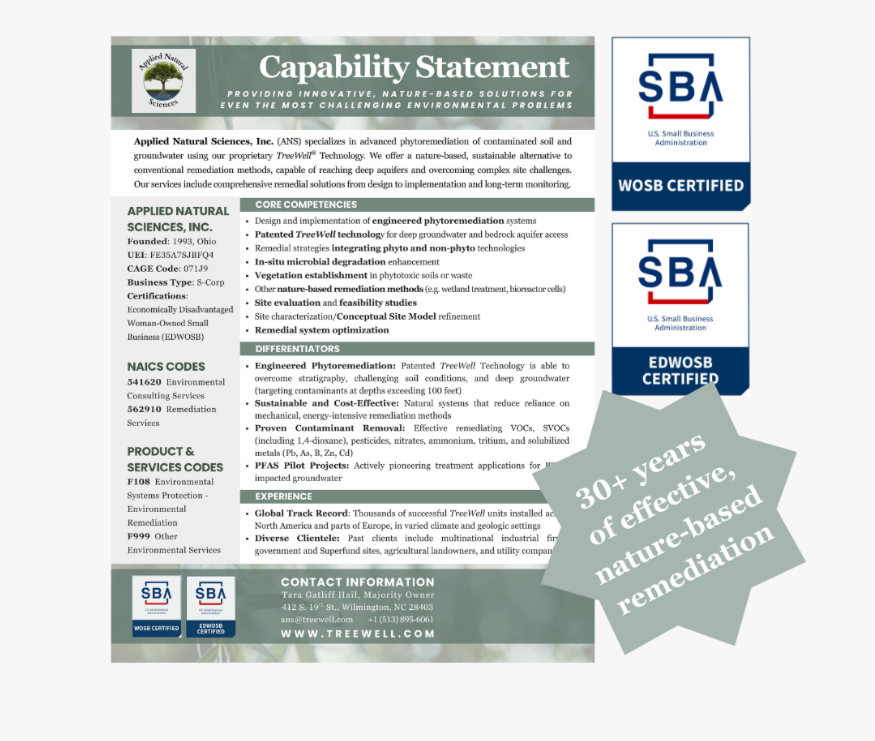
Click to download Capability Statement
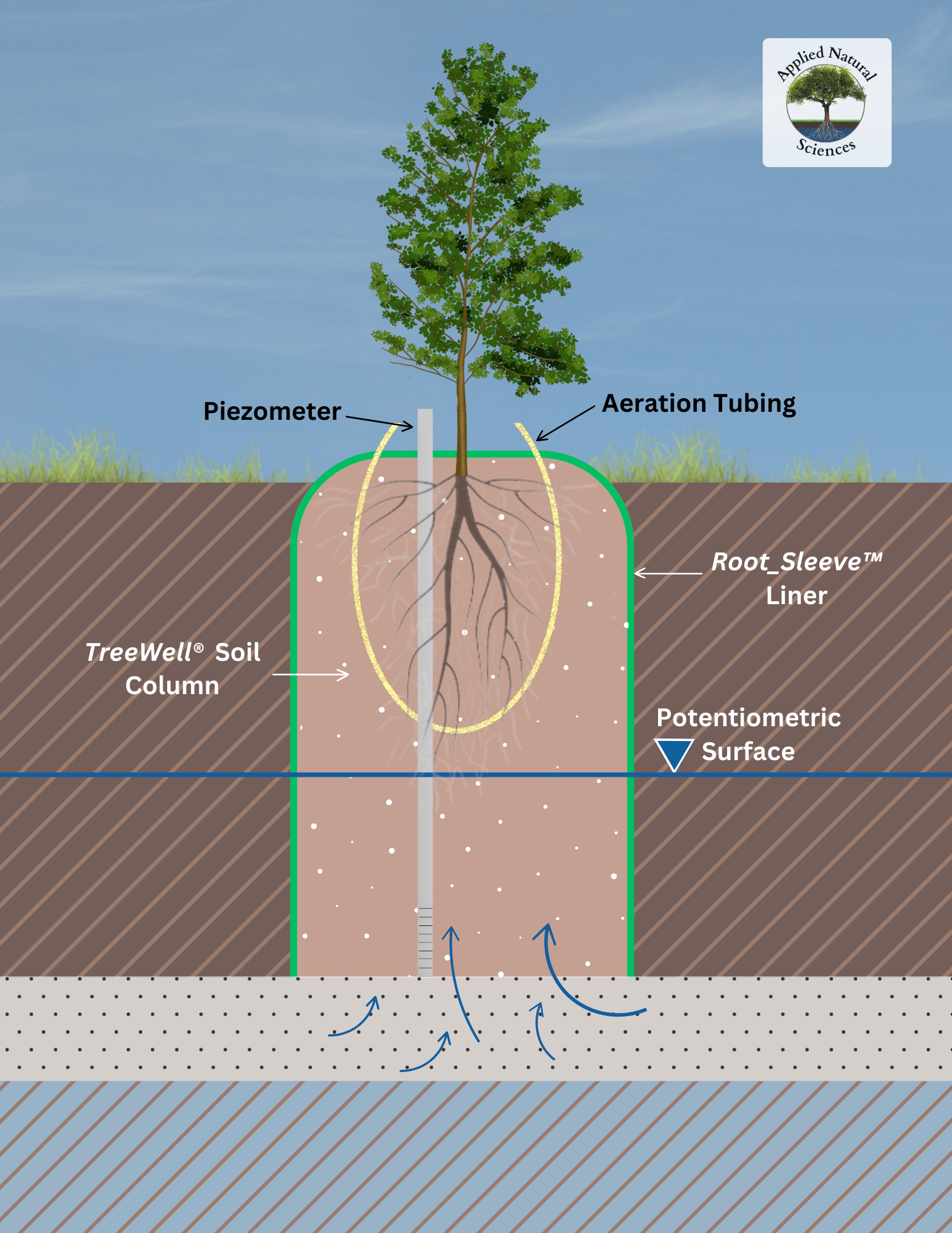
How do TreeWell® units work?
• Trees operate as a pump—contaminated groundwater is drawn upward towards roots, while roots are encouraged to grow downward towards contaminated groundwater
• Our specially designed Root_Sleeve™ liner acts as well casing to exclude non-targeted surface water and encourage tree pumping of targeted depth
• TreeWell unit acts as a bioreactor—microbes degrade contaminants before having contact with roots
• Residual contaminants are treated within the tree and/or photo-oxidized within the atmosphere
Benefits of Our Patented Remediation Systems
-
On average, the lifetime cost of our remediation system is substantially lower than conventional remedies such as groundwater pump-and-treat systems.
-
Our systems have been successfully used to provide contaminant degradation in soil and groundwater under a variety of lithologic conditions. Additionally, our systems can be used to provide hydraulic control of groundwater, thereby mitigating plume migration.
Treatable contaminants include soluble compounds in soil and groundwater, including most VOCs, agricultural inorganics, solubilized metals, PFOA/PFAS, and semi-volatile organics.
-
While significant remediation is taking place in the soil and groundwater in the subsurface, the foliage of beautiful willows, hackberries, live oaks, palms, poplars, or spruce trees is growing above the surface.
-
As the trees mature, their groundwater uptake rates increase, providing improved hydraulic control and contaminant mass removal. Also, the root system typically hosts robust microbial populations that are capable of degrading many contaminants.
-
Founded in 1993, Applied Natural Sciences (ANS) delivers its proprietary TreeWell® system worldwide, with more than 3,500 units installed across North America and Europe. ANS’ nature-based TreeWell® technology has demonstrated proven effectiveness in groundwater remediation and hydraulic control at over 100 sites. These projects demonstrate applicability across diverse contaminant classes and a wide range of facility types, including legacy wood-treating operations, chemical manufacturing, electronics manufacturing, and explosives manufacturing facilities.
Contaminants successfully treated by TreeWell® Systems
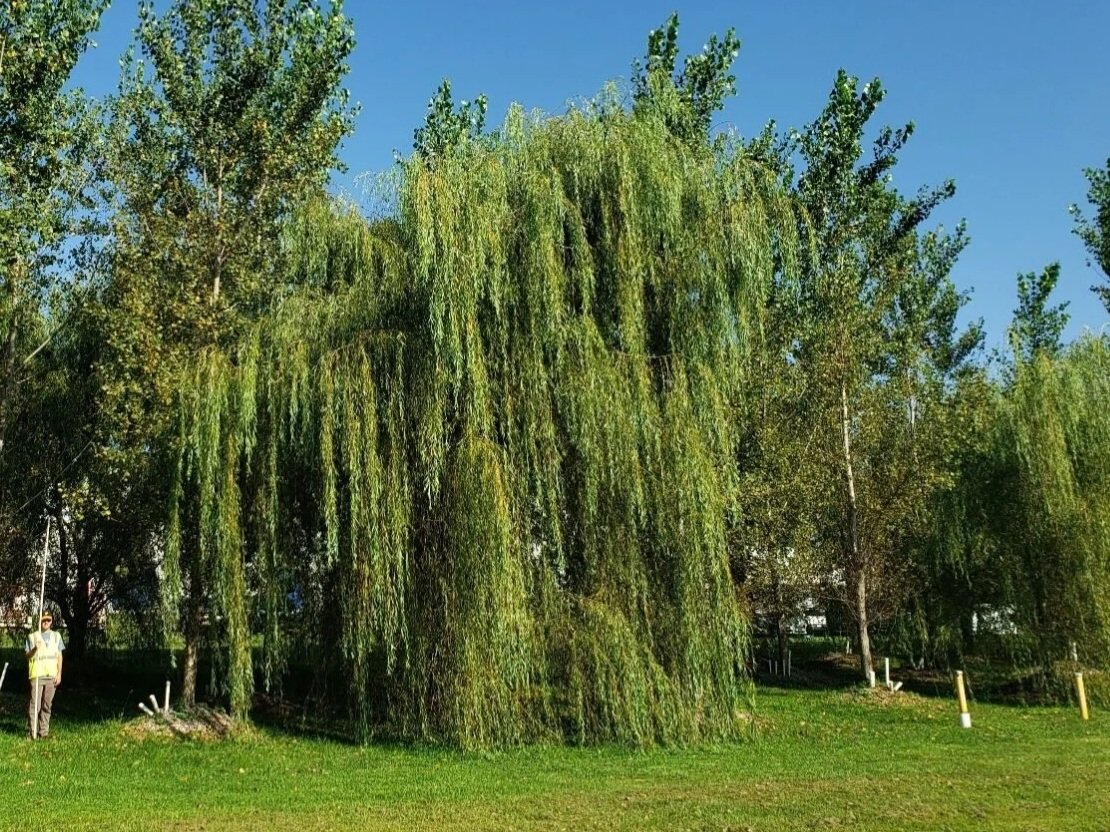
• VOCs • SVOCs including 1,4-dioxane • Pesticides • Agricultural inorganics such as nitrate & ammonium • Tritium • Solubilized metals: lead, arsenic, boron, zinc, cadmium
• VOCs • SVOCs including 1,4-dioxane • Pesticides • Agricultural inorganics such as nitrate & ammonium • Tritium • Solubilized metals: lead, arsenic, boron, zinc, cadmium
*Applied Natural Sciences is currently working on multiple pilot-scale TreeWell projects for the remediation of PFAS-impacted groundwater.
Conventional Phytoremediation vs. TreeWell-based System
Overview of a Successful Project
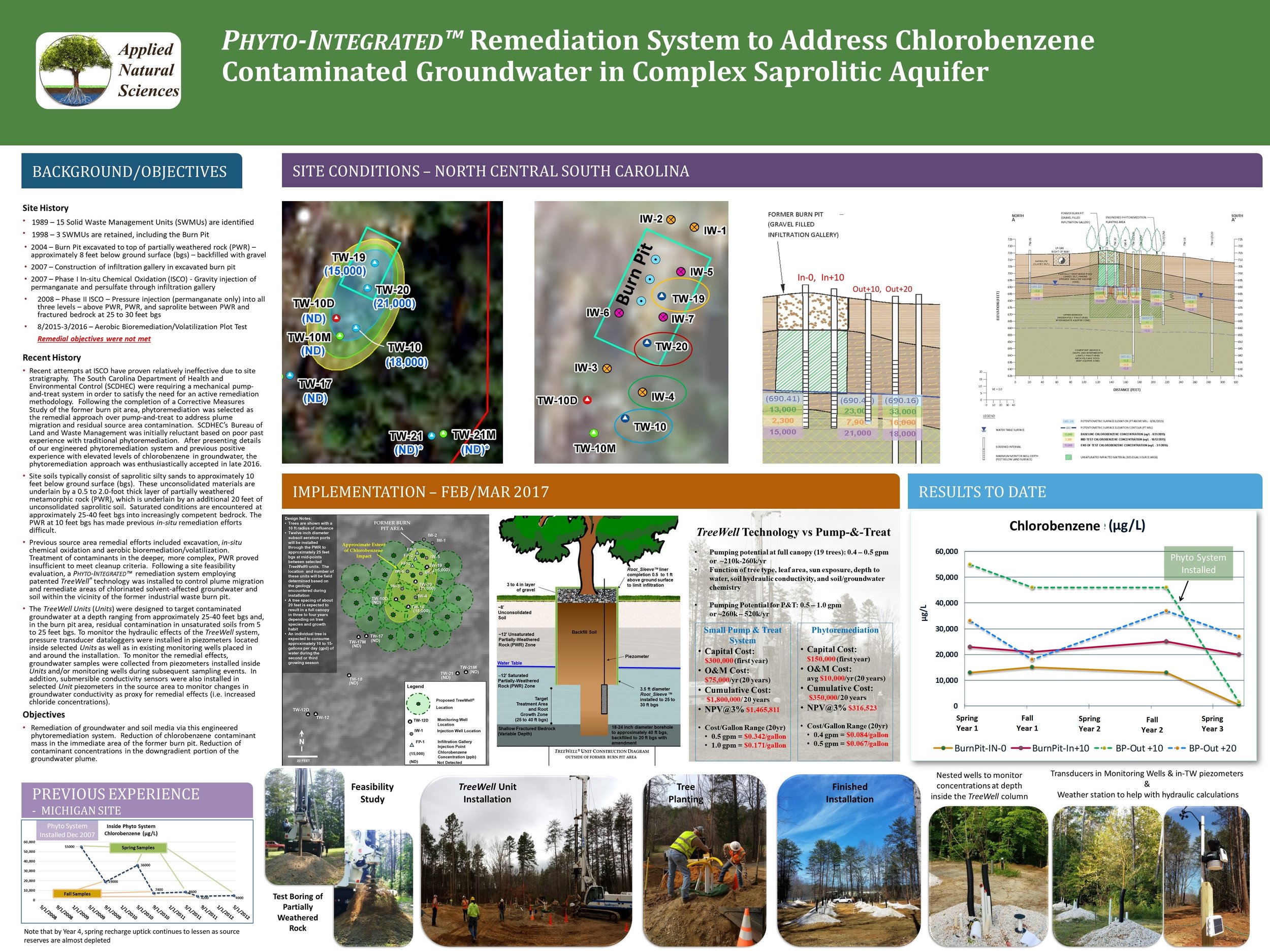

Learn about our pioneering experience
At Applied Natural Sciences, we are committed to meeting our clients’ unique remedial challenges. As pioneers in our field, we have been applying agronomic processes to environmental remediation problems of soil and water for decades.